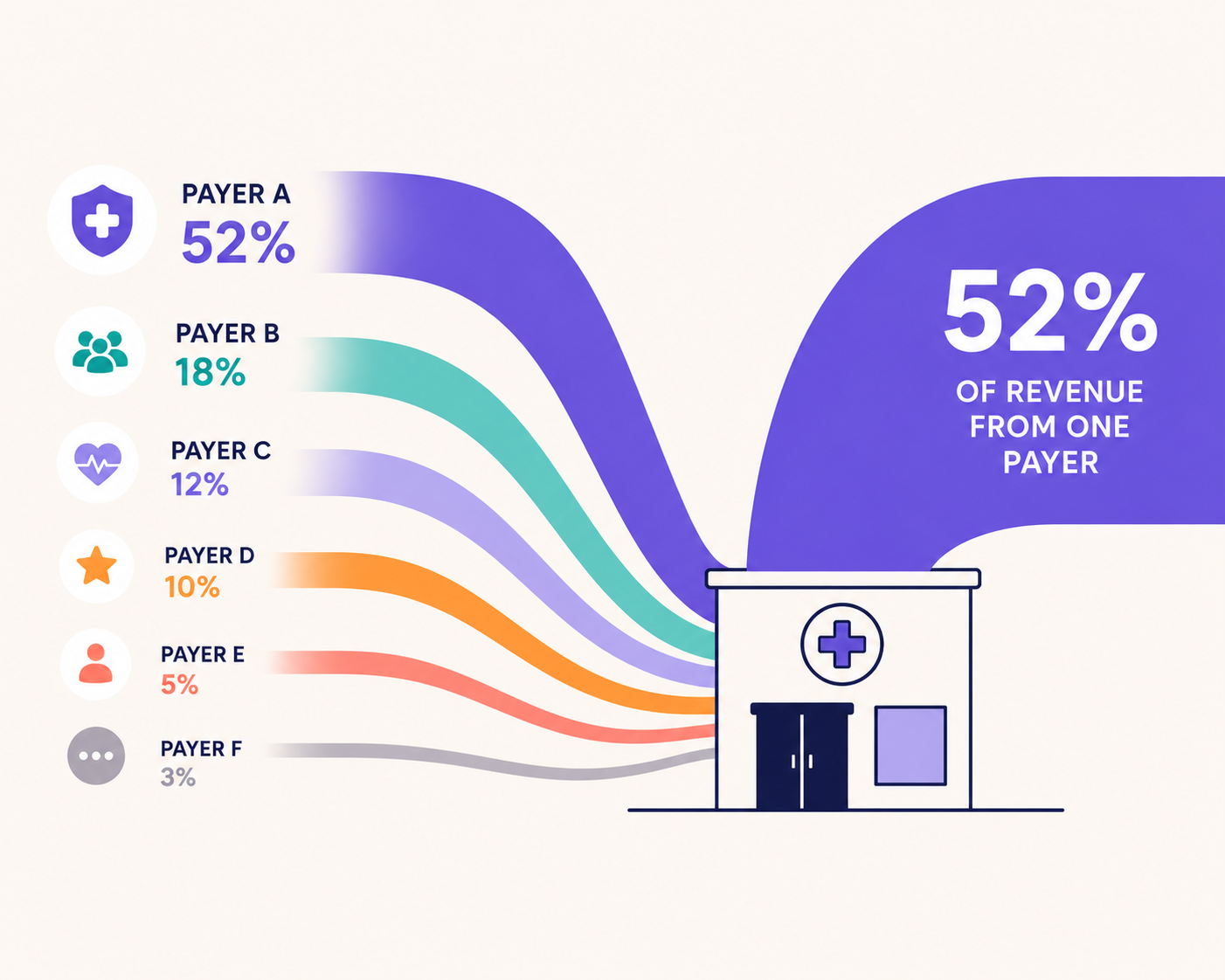
Running a dental practice means managing two distinct worlds. The clinical side covers procedures, patient care, and treatment plans. The financial side involves reimbursements that arrive weeks late, equipment costs that change without warning, and payroll that must clear whether or not payments have.
Most practices try to manage this complexity with generic accounting software that treats dental revenue like any other business income. But dental accounting moves differently. The gap between completing a procedure and receiving full payment can stretch for months, creating cash-flow pressure that standard tools were never built to handle.
Dental accounting software addresses this complexity directly. It gives practices the financial visibility that accounting for dentists actually require.
This guide breaks down what dental practice accounting actually requires, which features matter most, and how to choose a solution that delivers financial clarity instead of just transaction records.
Why Dental Practices Need Specialized Accounting
Dental clinics operate with financial rhythms that generic software rarely understands. Revenue arrives in waves—some from patients at checkout, some from insurers weeks later, some from financing plans that trickle in over months. Expenses hit on strict schedules: lab bills, payroll, rent, and equipment maintenance all come due regardless of when payments actually arrive.
Generic accounting platforms record these transactions but miss the context. They cannot distinguish between cash in hand and money still tied up in claims. The result is misleading reports. Profit statements look healthy while checking accounts run thin. Overhead percentages lose meaning because expenses get lumped together instead of mapped to clinical vs. administrative functions.
Specialized dental accounting systems solve this gap. They track revenue by payer type, organize expenses by category, and surface metrics that actually reflect performance.
High upfront equipment costs add another layer. A CBCT machine or digital scanner can absorb a year’s profit. Dental-specific software helps owners evaluate those purchases within a real cash-flow model instead of an abstract balance sheet.
With the right dental office bookkeeping system, financial visibility stops being a quarterly surprise and becomes part of daily management. That shift is what separates reactive dental practice accounting from a system that actively supports growth.
To understand how misaligned reimbursement schedules can quietly undercut profitability, see Flychain’s post on why so many healthcare providers are getting underpaid.
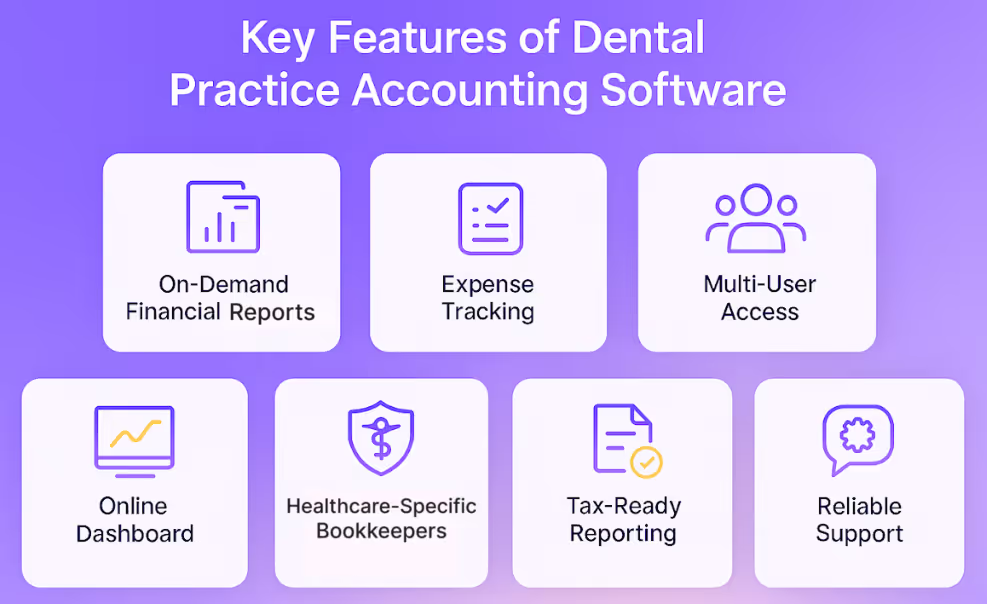
Key Features to Look for in Dental Accounting Software
Strong dental practice accounting starts with the right infrastructure. The platform should combine automation with insight so every report reflects the actual financial health of the practice.
On-Demand Financial Reports
Waiting for quarterly summaries leaves practice owners making decisions without current data. Real-time or monthly reporting keeps financial information accessible whenever you need it. Flychain healthcare bookkeepers update all financial statements monthly to maintain accuracy and give practices a clear view of cash flow.
Expense Tracking for Dental Practices
Dental expenses are not uniform overhead. Clinical supplies, lab work, and hygiene payroll fluctuate with patient volume and procedure mix.
Detailed dental bookkeeping services capture these patterns precisely, helping owners identify redundancies and cut unnecessary costs before they erode margins. This is why bookkeeping for dentists requires more than a generic ledger. It needs to reflect the actual cost structure of clinical work.
Multi-User Access for Secure Collaboration
Practice finances involve multiple people. Permission-based access lets the owner, office manager, and accountants work within the same system safely, reducing errors and keeping sensitive financial data protected.
Online Financial Dashboard
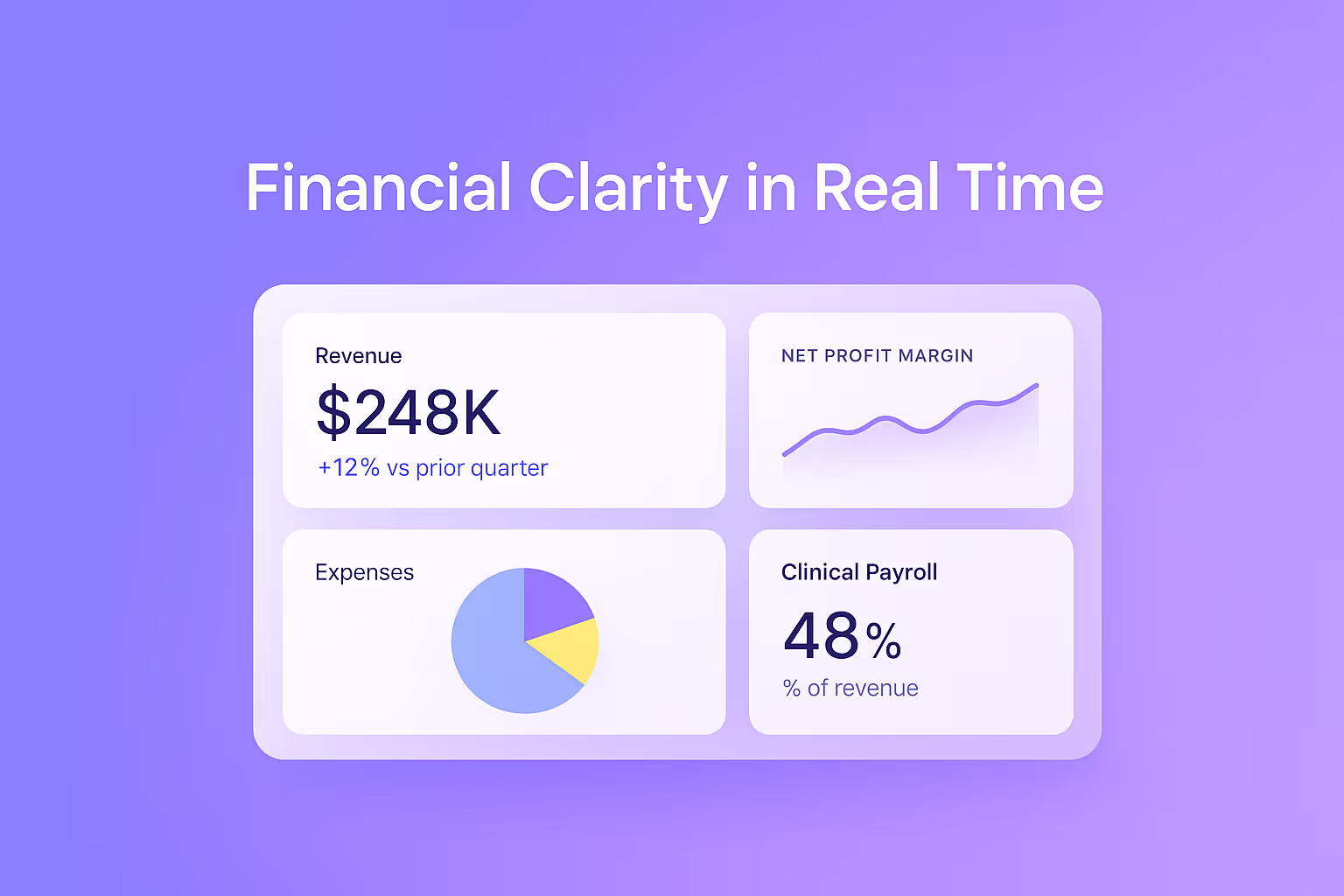
A clear dashboard turns accounting into a proactive management tool. It consolidates key performance indicators like revenue, expenses, net profit margin, and clinical payroll ratios into one view. With 24/7 access, owners can monitor financial health in real time and make decisions based on current data.
Healthcare-Specific Bookkeepers
A dedicated dental bookkeeper who specializes in bookkeeping for dentists understands how insurance reimbursements work, how to categorize clinical equipment purchases, and how to allocate shared costs across multiple providers or locations. Their expertise helps practices plan strategically rather than simply recording history.
Tax-Ready Reporting and Filing
Tax season should not start with scrambling to organize receipts. The right dental bookkeeping maintains categorized, compliant records throughout the year. Flychain combines accounting, bookkeeping, and tax filing into one seamless process so practices can close the year with accuracy and minimal disruption.
Effective Customer Support
Reliable, knowledgeable customer service keeps financial workflows steady and ensures that technical questions or system issues never interrupt patient care. Flychain for example meets with clients every month to review their finances and go through any uncategorized expenses to ensure every transaction is accurately categorized.
Dental Bookkeeping: Why It Matters
Bookkeeping is the foundation that everything else builds on, and within dental practice accounting, it carries more weight than in most industries. The right dental accounting software makes this easier, but the discipline behind it matters just as much. Dental bookkeeping goes beyond data entry. It tracks spending patterns, highlights inefficiencies, and reveals which services drive profitability vs. which drain resources.
Proactive bookkeeping catches problems before they compound. When expenses are recorded consistently and categorized correctly, patterns emerge. Owners can see when supply costs are creeping up relative to revenue, when certain procedures consistently generate write-offs, or when staffing ratios are drifting out of optimal ranges.
Flychain closes books monthly, categorizes them to your preferences, and reviews results with you to surface key insights. That cadence builds discipline and makes financial decisions easier and far less reactive.
Benefits of Dental Accounting Software
Generic accounting tools record transactions but overlook the conditions that make those numbers meaningful. Dental accounting software is built around the economics of clinical work. It understands reimbursement lags, tracks revenue by payer, and ensures expenses are accurately categorized — including distinguishing between clinical and administrative staff — to support precise KPI tracking.
Dental bookkeeping software accommodates multi-payer revenue streams, diverse cost structures, and payroll nuances that differ from other industries. It accounts for the timing gaps between service delivery and payment receipt, the variation in reimbursement rates across insurance contracts, and the equipment depreciation schedules specific to healthcare.
Flychain combines bookkeeping, financial reporting, access to working capital, and tax preparation into one cohesive solution designed specifically for dental practices. Instead of piecing together multiple vendors and platforms, everything operates within a single system built around healthcare financial workflows.
For more on how cash flow timing shapes financial health across healthcare businesses, read The Cash Flow Problem Nobody Talks About.
Questions to Ask Before Choosing an Accounting Solution for Dentists
Before committing to any platform, the right questions reveal whether it will actually serve your practice's needs.
- Does it provide real-time visibility into key performance indicators such as net profit margin, gross profit margin, and clinical payroll as a percentage of operating revenue?
- Does it include dedicated bookkeepers experienced in dental practice accounting? Specialists understand the timing of reimbursements, equipment depreciation schedules, and healthcare-specific compliance requirements.
- How frequently are your books closed, and do you have input into how expenses are categorized? Monthly closes keep data current and catch errors while they are still easy to fix.
- Can multiple users access and collaborate securely with customizable permissions? Your office manager, bookkeeper, and CPA all need different levels of access.
- Does it include tax-ready reporting for a smoother filing process? The system should maintain organized, compliant records throughout the year that flow directly into tax preparation.
- Is customer support easily accessible and knowledgeable about your industry? You need answers from people who understand dental practice operations.
Providers that answer these questions clearly understand your business. Vague responses or promises to build custom solutions later are red flags.
If you are comparing accounting platforms, this companion article on the best accounting software for healthcare organizations offers a broader look at what separates generic systems from healthcare-specific ones.
Frequently Asked Questions about Dental Accounting Software
Why do dental practices need specialized accounting software?
Dental practices have financial rhythms that generic accounting software doesn't understand. Revenue arrives from multiple payer types on different schedules, expenses like lab work and equipment fluctuate with patient volume, and the gap between completing a procedure and receiving full payment can stretch for months.
Specialized dental accounting software is built to handle this complexity, while generic tools just record transactions without the context that makes the numbers meaningful.
What's the difference between dental bookkeeping and general bookkeeping?
Dental bookkeeping goes beyond recording transactions. It tracks spending patterns by category (clinical supplies, lab work, hygiene payroll), identifies inefficiencies, distinguishes between clinical and administrative overhead, and maps revenue to payer type.
This level of detail helps owners understand which services are profitable and where margins are being quietly eroded.
How often should a dental practice close its books?
Monthly. Waiting for quarterly closes means making decisions on outdated data and catching errors too late to fix them easily.
Monthly book closes keep your financial picture current and build the discipline needed for strategic financial management.
Flychain closes books monthly and reviews the results with clients to surface key insights.
What financial metrics should my dental accounting software track?
The most important KPIs include net profit margin, gross profit margin, clinical payroll as a percentage of operating revenue, and overhead breakdown by category.
Your software should surface these in a real-time dashboard. Not just in quarterly reports.
Is QuickBooks good enough for a dental practice?
QuickBooks works for basic bookkeeping, but it doesn't integrate with dental practice management software, can't distinguish between clinical and administrative expenses without manual configuration, and doesn't come with accountants who understand dental-specific billing or reimbursement timing.
For a growing dental practice, those gaps tend to compound over time.
How should I evaluate dental accounting vendors?
Ask whether they provide real-time KPI dashboards, whether their bookkeepers have healthcare or dental experience, how frequently books are closed, whether multi-user access with permission controls is available, and whether tax-ready reporting is included.
Vague answers or promises to customize later are red flags.
What is Flychain, and how does it support dental practices?
Flychain is a healthcare-specific financial platform that combines bookkeeping, financial reporting, tax filing, working capital access, and CFO-level intelligence in one system.
For dental practices specifically, it offers healthcare-trained bookkeepers who understand reimbursement timing and dental expense categories, monthly book closes, and a real-time dashboard. All without needing to piece together multiple vendors.
Strengthening Your Dental Practice's Financial Foundation
Clinical excellence builds patient loyalty. Financial clarity builds sustainability. When a practice maintains accurate, timely books, the owner gains the freedom to make strategic decisions instead of constantly reacting to cash-flow surprises. Clear financial data supports better staffing decisions, smarter equipment investments, and more confident expansion planning.
Investing in proper dental practice accounting is not just about compliance or tax preparation. It is about understanding the financial mechanics of your practice well enough to control your own growth trajectory. Practices that know their numbers can spot problems early, capitalize on opportunities quickly, and plan for the long term.
Flychain is a healthcare-specific dental accounting software platform built for dental practices. It offers dedicated bookkeepers, dental accounting services, tax filing, access to working capital, and CFO-level financial intelligence in one cohesive system. It has everything a modern dental practice accounting solution should include.
The platform mirrors how dental clinics operate, with monthly book closes, healthcare-trained professionals, and real-time dashboards that surface the metrics that matter most.
Schedule a demo with Flychain to see how specialized accounting for dentists can strengthen your practice's financial foundation.