Running a home-based care agency has never been simple. But today, the margin for error is thinner than ever.
Agency owners are navigating rising labor costs, caregiver shortages, increasing compliance requirements, and delayed reimbursements. At the same time, they face growing pressure to scale while maintaining consistent, high-quality care across a distributed workforce.
Most agencies have invested in home care technology to manage operations.
Far fewer have connected that operational data to their financial reality.
That disconnect is where profit leaks, cash flow surprises, and stalled growth tend to hide.
This article explores how modern home care technology - when paired with healthcare-specific financial intelligence - helps agencies move from reactive decision-making to durable, financially resilient operations.
The Evolution of Home Care Technology
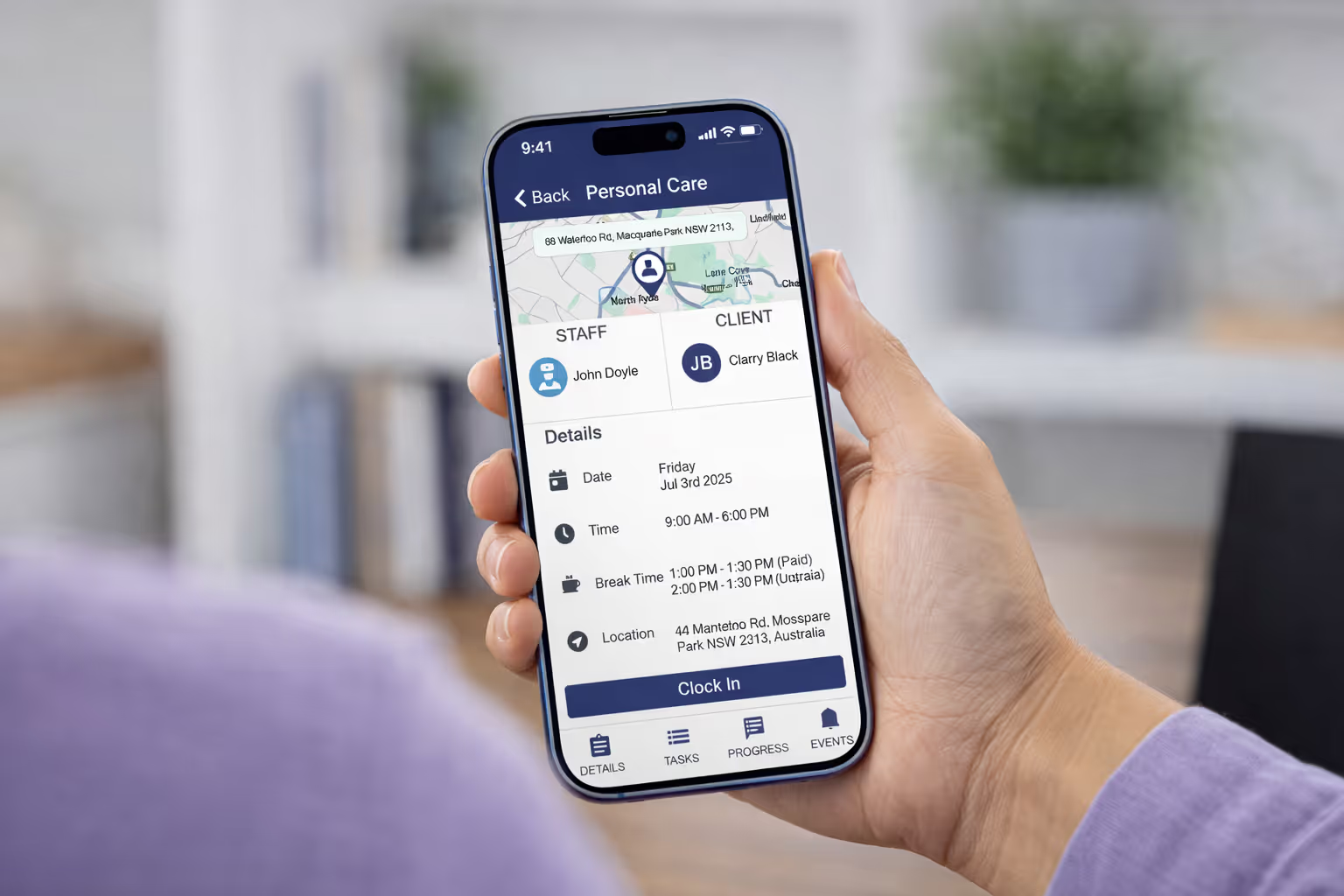
Home care technology has evolved rapidly over the past decade. What once lived in spreadsheets, paper schedules, and manual timesheets has moved into purpose-built platforms that support:
- Caregiver scheduling
- Visit verification and documentation
- Workforce management
- Compliance and reporting
- Communication across teams
For many agencies, care management software in healthcare is now the operational backbone of the business.
Platforms like ShiftCare help agencies answer operational questions such as:
- Are visits being delivered as scheduled?
- Are caregivers properly staffed and utilized?
- Are documentation and compliance requirements being met?
But operational clarity alone does not guarantee financial health.
For many agencies, this shift toward digital operations also highlights a broader reality: healthcare accounting is fundamentally different from standard small-business bookkeeping, as we explain in our article Healthcare Accounting Series: Part 1 - An Introduction to Healthcare Accounting.
Why Operational Clarity Alone Isn’t Enough
Most agencies can tell you what happened operationally last week.
Far fewer can tell you:
- Whether those staffing decisions improved margins
- Which shifts were profitable versus loss-making
- How utilization affected payroll efficiency
- Whether cash flow can support upcoming payroll cycles
That’s because operational systems and financial systems often live in silos.
Care management software healthcare platforms are excellent at answering what happened.
Financial systems must answer what it meant.
Without that connection, agencies are forced to rely on gut instinct - not data - when making decisions about growth, staffing, and investment.
This disconnect is especially common when agencies rely on general-purpose accounting tools that weren’t built for healthcare - a challenge we unpack in our article on why generic accounting tools fall short compared to healthcare accounting services.
Connecting Care Management Software to Financial Intelligence
The real power of modern home care technology emerges when operational data flows into the financial layer.
When care delivery, scheduling, and workforce data connect to healthcare-specific accounting and analytics, agencies gain visibility into how day-to-day decisions show up financially.
For example:
- How staffing decisions ultimately affect margins
- Where payroll pressure is emerging over time
- Why cash flow timing can fluctuate even when revenue looks stable
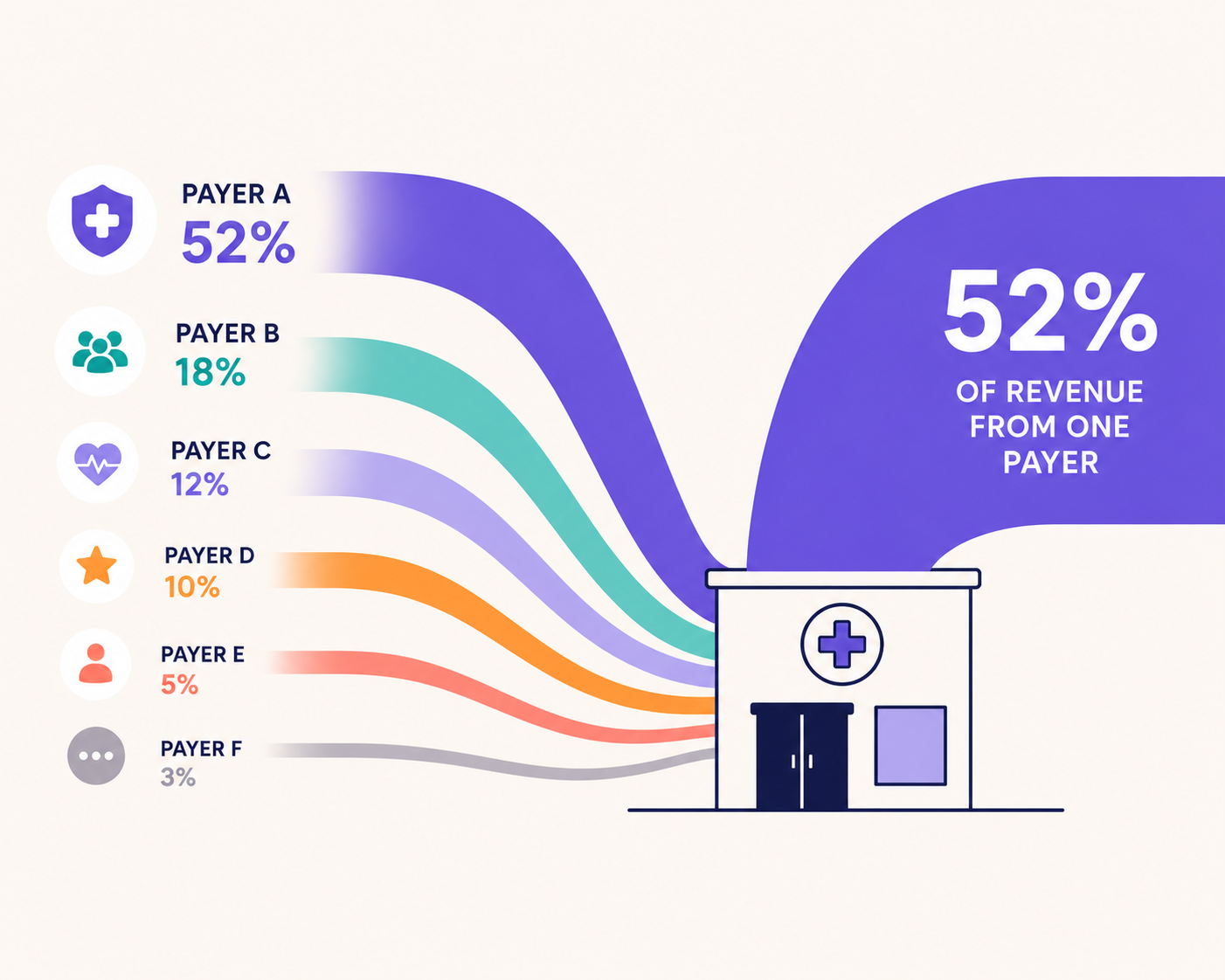
- How payer and service mix shape long-term sustainability
This is where Flychain and ShiftCare work together.
ShiftCare provides the tools for greater operational efficiency and visibility.
Flychain translates those operational realities into clear financial insight.
The Financial Impact of Scheduling and Workforce Decisions in Home Care
Scheduling is one of the most powerful yet overlooked financial levers in home-based care.
When schedules break down, agencies don’t just lose operational efficiency, they lose margin.
Missed visits, excess overtime, caregiver travel inefficiencies, and inconsistent staffing all flow directly into higher payroll costs and unrecovered revenue. Over time, these small scheduling decisions quietly compound into meaningful financial drag.
A strong home care scheduler helps agencies optimize:
- Caregiver utilization
- Overtime exposure
- Travel inefficiencies
- Visit consistency
But scheduling decisions don’t live in a vacuum. When scheduling data feeds into financial reporting, agency owners can finally see:
- How staffing costs vary across the business over time
- Payroll as a percentage of revenue
- Margin differences across service types and locations
- The true cost of understaffing or overstaffing
Instead of asking, “Are we fully staffed?”
Leaders can ask, “Are we staffed in a way that protects margins, supports caregivers, and sustains growth?”
Understanding the Full Home Care Technology Stack
Most agencies operate with a growing home care technology stack, including:
- Care management software
- Scheduling and EVV tools
- Payroll providers
- Accounting software
- Banking and capital tools
Problems arise when these systems don’t speak the same language. Disconnected tools create blind spots:
- Operational success that masks financial strain
- Growth that outpaces cash flow
- Rising costs without clear attribution
A resilient technology stack aligns operations, finance, and decision-making into a single, coherent picture.

Tracking the Expenses That Matter Most
One of the biggest advantages of integrated home care technology is expense clarity.
With clean operational and financial data, agencies can accurately categorize and analyze key expense lines, including:
- Caregiver wages and overtime
- Administrative payroll
- Technology subscriptions
- Insurance and compliance costs
- Home healthcare marketing spend
Marketing is a particularly common blind spot.
Without proper categorization, agencies struggle to evaluate whether marketing investments are actually translating into sustainable growth, or simply increasing operational strain.
When marketing costs are tracked alongside staffing, utilization, and cash flow, leaders can assess ROI with confidence.
Why Financial Resilience Matters More Than Growth Alone
Growth without financial clarity is fragile. Many agencies expand services, add caregivers, or increase volume without fully understanding:
- Whether margins are improving or eroding
- Whether cash flow can support payroll timing
- Whether operational complexity is increasing faster than revenue
Financially resilient agencies use data to:
- Plan hiring intentionally
- Forecast cash needs accurately
- Identify margin pressure early
- Reinvest confidently in caregivers and care quality
Home care technology becomes a strategic asset, not just an operational necessity.
How Flychain and ShiftCare Support Financially Resilient Agencies
Together, Flychain and ShiftCare help agencies connect operations to outcomes.
ShiftCare:
- Centralizes scheduling, care delivery, and workforce management
- Improves operational consistency and compliance
- Supports teams at scale
Flychain:
- Provides healthcare-specific bookkeeping and accounting, including strategic tax planning and filing
- Improves cash flow visibility and offers access to flexible capital options when needed
- Translates operational data into CFO-level insights
The result is a clearer understanding of how daily decisions affect financial health, enabling agency owners to manage margins, plan ahead, and grow sustainably.

Conclusion: Building Financially Resilient Care Agencies
Home-based care agencies operate in a complex environment. Small operational decisions can have outsized financial consequences.
Technology has helped agencies gain operational clarity.
Financial intelligence is what turns that clarity into confidence.
When care delivery, staffing, and scheduling are supported by healthcare-specific financial insight, agency leaders are better equipped to:
- Understand how their business is truly performing
- Anticipate cash flow needs before they become urgent
- Make informed decisions about hiring, growth, and investment
- Build organizations that are resilient, not just busy
The future of home-based care belongs to agencies that connect how they operate with how they perform financially. Systems that work together make that possible.
Want to see what this looks like for your agency?
If you’re looking to better understand your financial performance - and how your operational decisions show up in the numbers - Flychain can help.
Chat with us to explore how healthcare-specific bookkeeping, financial visibility, and CFO-level insight can support your agency’s next stage of growth.
Frequently Asked Questions on Home Care Technology
What is home care technology?
Home care technology refers to software systems that support the operational and administrative needs of home-based care agencies. This includes scheduling, care documentation, workforce management, compliance, and reporting tools.
How does care management software healthcare platforms impact profitability?
Care management software improves operational efficiency by streamlining scheduling, documentation, and workforce management. However, profitability only improves when that operational data connects to your financial systems.
When agencies can see how caregiver utilization rates, service mix, and overtime patterns directly affect gross margin and cash flow, they can make staffing and scheduling decisions with financial consequences in mind rather than operational convenience alone.
Platforms like Flychain connect the financial layer to your operational data, giving home care agencies a complete picture of what's driving (or eroding) their margins.
Why is scheduling so important in home-based care?
Scheduling in home-based care directly determines caregiver utilization, overtime costs, travel expenses, and visit consistency. All of which feed directly into your profit margin.
An underutilized caregiver represents revenue capacity that isn't being captured; an over-scheduled one creates overtime liability and burnout risk.
When scheduling data is connected to financial reporting, agencies can see in real terms how staffing decisions translate to payroll as a percentage of revenue, which is one of the most important KPIs for home care financial health.
What expenses should home care agencies track closely?
Key expense categories include caregiver wages, administrative payroll, technology costs, insurance, and home healthcare marketing.
Tracking these alongside operational data helps agencies evaluate return on investment and long-term financial sustainability.
What is aged care software, and how is it different from home care technology?
Aged care software is a term commonly used outside the U.S. to describe care management platforms for elderly populations.
While terminology and funding differ, the operational and financial challenges are similar to U.S. home care agencies.
How does Flychain support home-based care agencies?
Flychain provides healthcare-specific accounting, financial reporting, cash flow visibility, and CFO-level analytics. This helps agencies understand and improve the financial performance of their operations.
Why is financial intelligence critical for growing care agencies?
Financial intelligence helps agency owners move beyond gut-based decisions.
It enables proactive planning, early identification of risks, and confident reinvestment in staff and care quality.